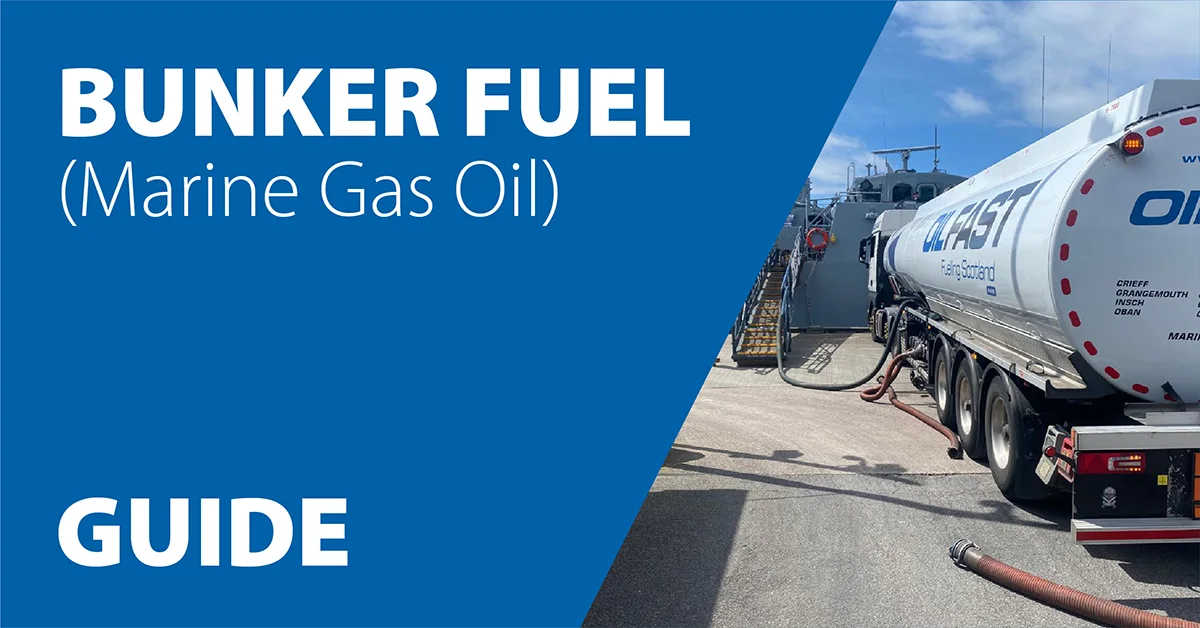
A common term in the Marine and Offshore industry, is “Bunker Fuel”. The term “bunker fuel” originates from steam-powered ships and refers to the fuel stored in the vessel’s “fuel bunker.”
The type of vessel you have depends on the fuel you will use; for example, Maritime vessels use bunker fuel to power their engines. However, it might not be a regular DERV. Larger ships will use marine gas oil, considered low-sulphur fuel oil, as their source of fuel.
With a specialist marine team Oilfast stays updated on the evolving political, environmental, and financial challenges facing our customers. Oilfast Marine is experienced in supplying bunker fuels to vessels of all shapes and sizes. Oilfast Marine has created a complete guide on Bunker Fuel to help our potential customers understand the industry. We aim to help you understand the different types of marine fuel.
What is Bunker Fuel?
As mentioned, bunker fuel came from steam-powered ships powered by coal and stored their fuel inside the bunkers within the boat. As the term bunker fuel doesn’t refer to one specific fuel, it can be used by several fuel types:
- Marine Gas Oil (MGO)
- Marine Diesel Oil (MDO)
- Intermediate Fuel Oil (IFO)
- Marine Fuel Oil (MFO)
- Heavy Fuel Oil (HFO)
Until recently, most large commercial vessels would use HFO to power their ships.
Fuels used by large, ocean-going vessels?
Before 2020, large ships travelling through the ocean typically used heavy fuel oil. However, 2020 legislation required shipowners to switch to marine gas oil (MGO), which has a lower sulphur rate and meets the regulations’ criteria. Ships must only use marine fuels with less than 0.50% sulphur content (ULSFO).
Heavy fuel has been used frequently in the industry since the 1960s, and one of the main reasons is its price. It’s reportedly 30% cheaper than other alternatives. Many large vessels have installed a “scrubber” that helps strip out sulphur emissions, allowing them to use heavy fuel.
What is Marine Gas Oil?
Marine Gas Oil (MGO) is a type of marine fuel made entirely of distillates from crude oil. It is similar to diesel but has a higher density and does not require heating during storage, unlike Heavy Fuel Oil (HFO).
If you own a vessel and use it recreationally, you can purchase Gas Oil, but you must pay the full tax rate (see next header)
Bunker Fuel for Recreational vessel use?
If you own or operate a smaller vessel, like yachts with rear-mounted impeller engines, you are eligible to use regular diesel (DERV) found at petrol pumps. “Pleasure craft owners” can use rebated gas oil, also known as red diesel. However, they must pay the full tax rate as you would with regular diesel. You must also declare to your supplier if you intend to use it to power a pleasure craft and must inform HMRC of the percentage of fuel used.
Boaters must also declare to their supplier if they intend to use the fuel to propel a pleasure craft. They must also declare to HMRC the percentage of fuel they will use for propulsion with the following wording:
“I declare that […] % of the fuel purchased will be used for propelling a private pleasure craft.
Declaration: I am aware that the Hydrocarbon Oil Duties Act 1979, which permits the use of marked diesel to propel private pleasure craft, only applies within UK waters. I acknowledge that nothing in that Act, or the making of this declaration, affects any restrictions or prohibitions that may apply to the use of fuel for propelling private pleasure craft outside UK waters, including any restrictions or prohibitions under the law of another Member State that apply within the waters of that Member State.”
Your Reliable Marine Gas Oil Supplier
Oilfast understands how to ensure each delivery is achieved efficiently, timely, and without delay.
This seamless chain gives customers complete confidence and trust in our ability in even the most challenging supply situations.
Our Marine Department collaborates with suppliers, customers, and our Transport Department to offer competitive pricing and a tailored service.Contact Dianne and the team on 01463217766 to discuss your fuelling needs, or visit our marine page for more info.