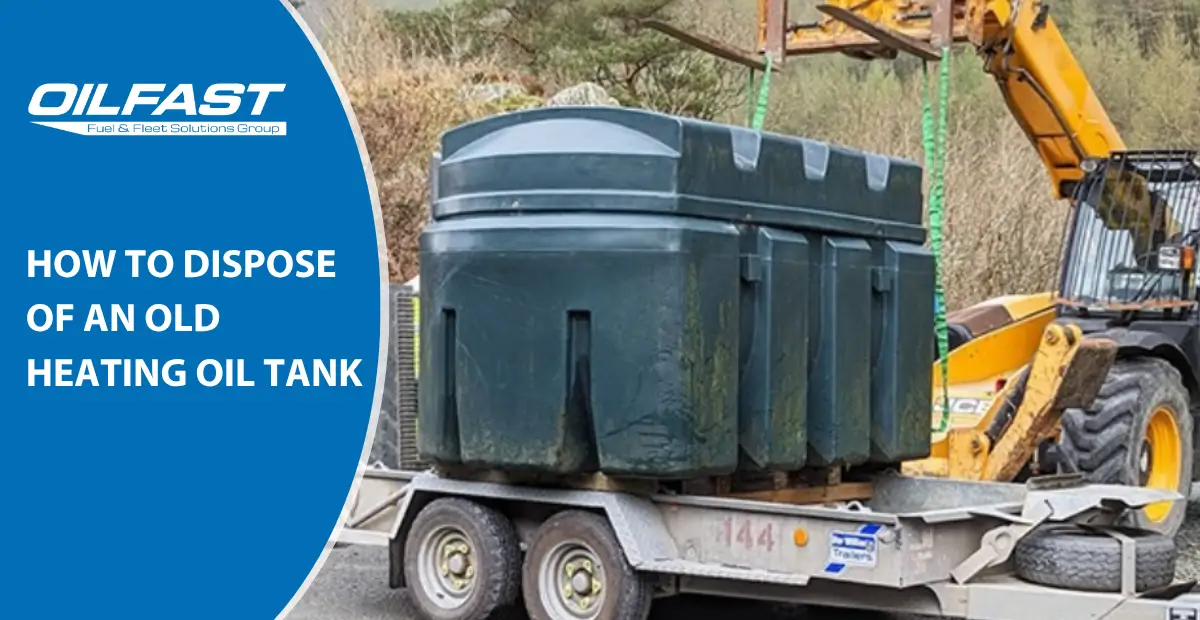
To dispose of an old heating oil tank, arrange for a qualified tank specialist to empty, clean, disconnect and remove it. The contractor will recover any usable heating oil, deal with contaminated fuel or sludge and take the tank to an appropriate recycling or waste facility.
Steel tanks can often be recycled as scrap metal, while plastic tanks may be accepted through specialist recycling facilities. However, the tank must first be professionally emptied and cleaned. It should not be cut up, taken to a recycling centre or handed to a scrap dealer while it still contains oil, sludge or fuel residue.
When choosing a contractor, check that tank removal, waste disposal and transportation are all included in the quotation. In Scotland, anyone transporting waste should be appropriately registered with SEPA.
Why might a heating oil tank need to be removed?
You may need to remove a tank because it is damaged, deteriorating or being replaced. It may also become redundant if you change your heating system or renovate the property.
Age alone does not determine whether a tank is safe. However, cracks, bulging, deep corrosion, oil staining, damaged fittings or an unstable base should be assessed promptly. If oil is leaking, keep people and animals away from the area and seek professional advice immediately.
For more guidance, read When Do I Need to Replace My Heating Oil Tank?.
Can you remove an old oil tank yourself?
No. Removing a heating oil tank is not a suitable DIY task.
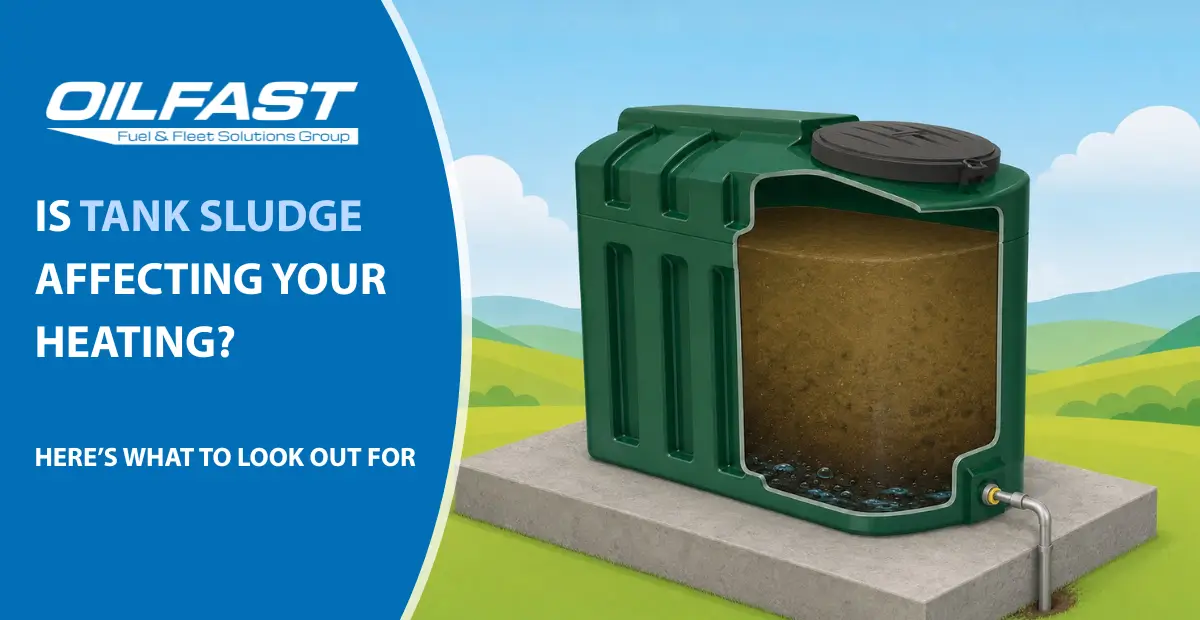
What looks like an empty tank can still hold oil below the outlet, along with water, sediment and sludge. Moving or cutting the tank could release these materials, while fuel residue and vapour can present additional safety risks.
The contents cannot simply be poured away, and an uncleaned tank should not be treated as ordinary waste or scrap. A qualified contractor can contain the oil, make the tank safe and arrange the correct waste route.
If oil has already escaped from the tank, act quickly to limit the damage. This guidance on heating oil leaks and spills explains the immediate steps to take.
How is an old heating oil tank removed?
The method will depend on the tank’s material, condition, contents and location, but the process will usually involve the following stages.
Assessing the tank and access
The contractor will inspect the tank, estimate how much oil remains and check its connections. They will also decide whether it can be removed whole or must be safely dismantled after cleaning.
A plastic tank beside an open driveway may be relatively straightforward to remove. A steel tank inside a building or behind restricted access will require a different plan.
Removing the remaining oil and residue
Any oil left in the tank is pumped into suitable temporary storage. Material at the bottom may contain water, rust, sediment or degraded fuel, so it may need to be kept separate from cleaner oil.
The contractor will remove the remaining sludge and clean the tank before it is dismantled, transported or sent for recycling.
Disconnecting and taking away the tank
Once emptied and made safe, the tank can be disconnected from the fuel line and other fittings. It may be lifted out in one piece or, where access is limited, dismantled using a controlled method.
The contractor should arrange transport and send the tank and any waste contents to suitable facilities.
What happens to heating oil left in the tank?
Oil left in an old tank does not always have to be discarded. If a replacement tank is being installed and the fuel is suitable for reuse, the contractor may be able to transfer it into temporary storage and then into the new tank.
Oil mixed with water, sludge or other contaminants should not automatically be transferred. It may require specialist recovery or disposal instead.
You do not need to run the tank almost empty before arranging removal. Tell the contractor approximately how much fuel remains so they can bring the right equipment and explain whether transfer is included in the quotation. Avoid deliberately running your heating system dry, as this can create a separate problem with the fuel supply.
Can an old heating oil tank be recycled?
Often, yes. Steel can commonly be sent for metal recycling, while some plastic tanks can be processed through specialist recycling routes once they have been properly emptied and cleaned.
This depends on the tank’s material, condition, contamination and the facilities available. Ask where it will be taken and whether removal, transport and disposal are included in the price.
What affects the cost of tank removal?
There is no standard price. The quotation may be affected by the tank’s size and material, its remaining contents, access for equipment and whether it must be dismantled on site.
Removing an underground tank or dealing with evidence of a leak will normally require a more detailed assessment. The price will also differ if the work includes installing a replacement tank, transferring usable oil or altering the base and pipework.
When comparing quotes, check that they cover pumping out the contents, dealing with sludge, cleaning and disconnecting the tank, taking it away and arranging appropriate recycling or disposal.
What if the heating oil tank is underground?
An underground or partly buried tank needs an individual plan. A specialist may need to assess its construction, nearby structures and services, and whether there are signs that oil has escaped into the surrounding ground.
The tank may be excavated and removed or professionally decommissioned in place. It should not simply be covered over without specialist advice. Contaminated soil requires separate clean-up.
Arrange professional heating oil tank removal
Disposing of an old heating oil tank is ultimately a job for a qualified professional. Your main tasks are to explain how much oil may remain, mention any known damage or leaks and confirm exactly what the quotation includes.
If you are replacing an ageing tank, Oilfast works with professional OFTEC accredited tank installers and engineers. Visit our home heating oil tanks page or call the Oilfast team on 03302 320 104 for advice.