
If you’ve recently moved into a home with oil heating, you’re probably asking yourself a few questions.
How do I order heating oil? How often will I need a delivery? What should I be checking on my tank? And what happens if I run out?
If you’re new to heating oil, don’t worry. While it works a little differently from mains gas, it’s straightforward to manage once you understand the basics. This guide covers the key things every first time heating oil user should know.
1. Find your heating oil tank
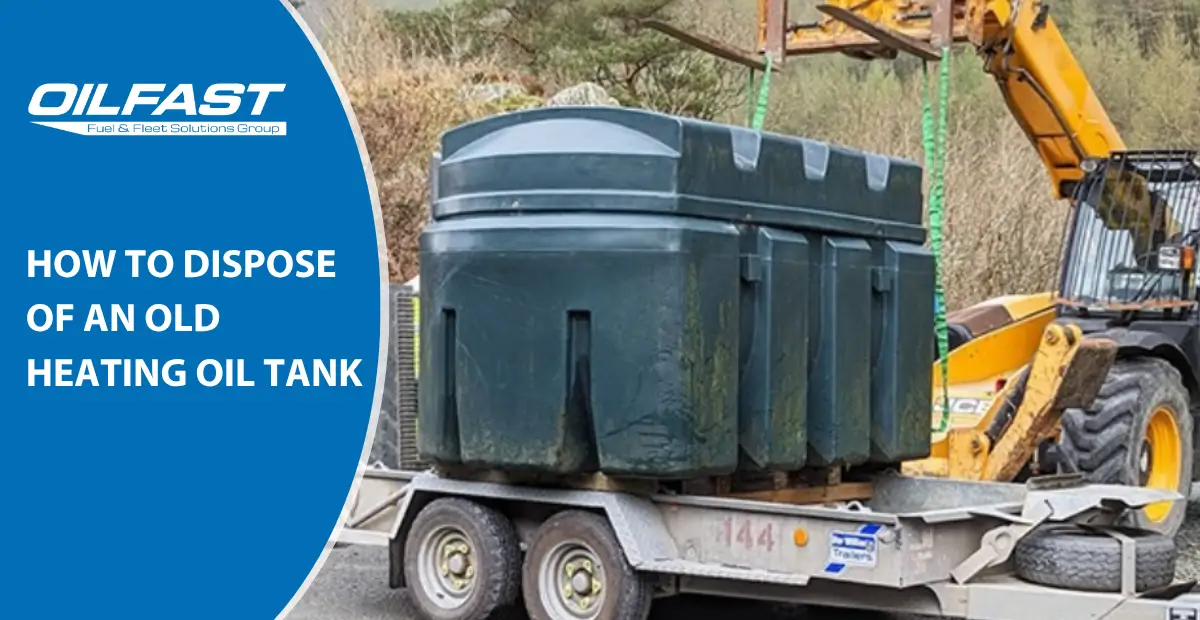
The first step is locating your heating oil tank. Most domestic tanks are installed outdoors, often at the side or rear of a property.
Take a few minutes to familiarise yourself with:
- The tank location
- The tank gauge
- The fill point where deliveries are made
- Any locks or security devices fitted to the tank
You may also find the tank capacity displayed on the side of the tank. This can be useful when ordering heating oil for the first time.
2. Check how much oil is currently in the tank
Before placing an order, find out how much fuel is already in the tank.
Most tanks have a simple gauge showing the approximate oil level. If the level is low, it is worth arranging a delivery sooner rather than later.
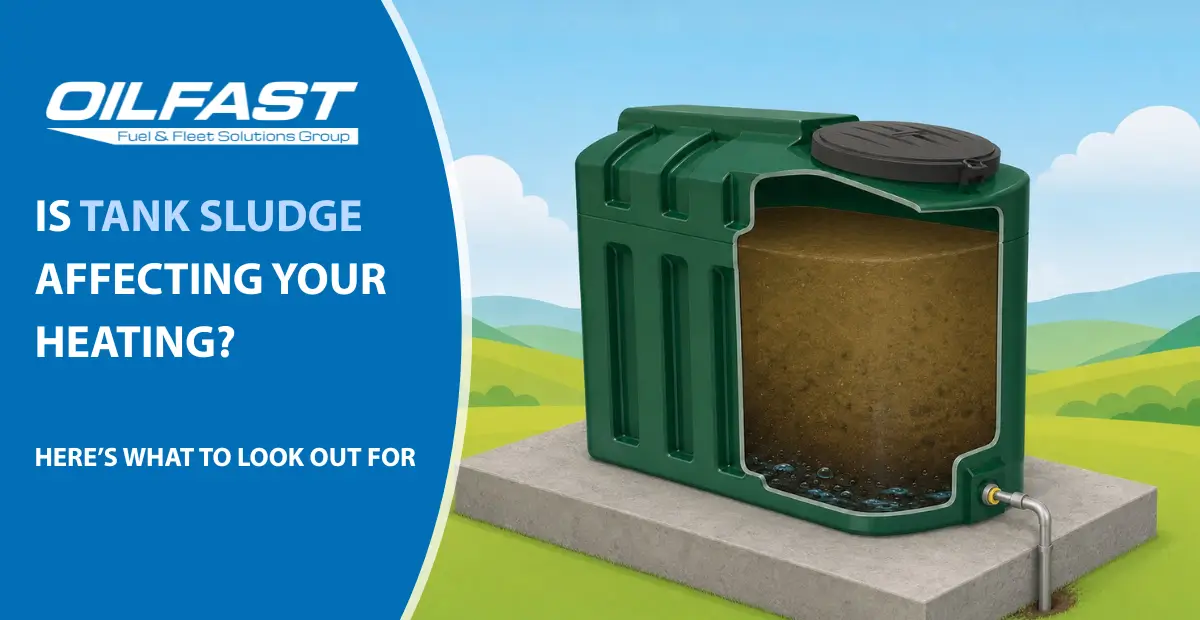
Allowing a tank to run very low can create unnecessary pressure when ordering fuel and may increase the chance of sediment at the bottom of the tank being disturbed during a delivery.
3. Confirm which fuel your system uses
The vast majority of domestic oil fired heating systems in the UK use kerosene, often referred to as heating oil or 28-second oil.
If you’re unsure what fuel your boiler requires, check the boiler documentation or contact a heating engineer before ordering.
4. Understand how heating oil deliveries work
Heating oil is typically ordered in bulk and delivered directly into your tank by tanker.
Unlike gas or electricity, there is no mains supply automatically arriving at your property. Instead, you’ll need to monitor your usage and order fuel when required.
When placing an order, you’ll usually be asked for:
- Your address
- The quantity required
- Any delivery restrictions
- Information about access to the tank
Tank monitoring systems can remove the need to monitor tank levels manually. See point 6.
5. Check the condition of the tank
A quick visual inspection can help identify any obvious issues.
Look for:
- Cracks or damage
- Signs of leaks
- Overgrown vegetation around the tank
- Unstable or uneven bases
- Loose fittings or pipework
Modern bunded tanks are now the standard for most new and replacement heating oil installations in Scotland. Their double-skinned design provides an additional layer of protection against leaks and environmental damage.
If you have any concerns about the condition of your tank, arrange an inspection with an OFTEC registered technician. Early action can help prevent more costly problems in the future.
6. Consider a tank monitoring system
One of the easiest ways to manage heating oil is through remote tank monitoring.
A monitoring device tracks fuel levels and alerts you when oil levels begin to fall. Some systems can also support automatic top-ups, helping reduce the risk of running out unexpectedly.
Tank telemetry offers additional reassurance by monitoring oil levels automatically and helping ensure deliveries are arranged before fuel runs too low. Oilfast customers who sign up to our Budget Plan also receive free Smart Tank equipment and professional installation worth over £200, helping spread heating oil costs more evenly throughout the year.
Find out more about Smart Tank Heating Oil Monitoring and sign up here.
7. Learn roughly how much heating oil your home uses
Every home is different, but factors such as property size, insulation levels, boiler efficiency and heating habits all affect fuel consumption.
Understanding your typical usage will help you plan future orders and avoid unexpected run outs during colder months.
After a year in the property, you’ll have a much clearer picture of your annual heating oil requirements.
Common questions from people new to heating oil
Is heating oil safe?
Yes. Heating oil (kerosene) is combustible rather than highly flammable and modern domestic heating systems are designed with safety in mind. When properly installed and maintained, heating oil is a safe and reliable way to heat your home.
Do I still use heating oil in summer?
In many homes, yes. Even when your heating is switched off, your boiler may still use heating oil to provide hot water. This is why it’s important to keep an eye on tank levels throughout the year, not just during winter.
Should I be able to smell heating oil indoors?
No. Under normal conditions, you should not notice a heating oil smell inside your home. If you do, it may indicate that part of the system needs checking and you should seek professional advice.
When is the best time to buy heating oil?
Heating oil prices fluctuate throughout the year and can be affected by global events, oil markets, weather conditions and exchange rates. Unlike mains gas customers, heating oil users can choose when to order, giving them greater flexibility over when they buy.
New to heating oil? We’re here to help
Many homeowners move into an oil heated property without any previous experience of managing heating oil.
Whether you need help understanding your tank, arranging your first delivery or exploring options such as tank monitoring and budget payment plans, our team is always happy to help.
Oilfast delivers heating oil across Scotland from a network of local depots, providing reliable deliveries and friendly local support.
Get in touch with our team today to discuss your heating oil requirements. 03302 320 104