Many off-grid homeowners choose heating oil tanks for an affordable, long-term heating solution. While the low maintenance of heating oil tanks generally provides longevity, the tanks only have a specific life span. Without annual maintenance, oil tank replacements may be required even sooner than anticipated.
Before undergoing oil tank removal and installation, there are a few things you need to know to ensure a safe, functional and up-to-code replacement.
Reasons why I need to replace my tank?
There is several reasons why you might need a new tank:
- Oil seepage – When heating oil is found outside the tank, or you detect an odour, there is a breach. While heating oil can only ignite if it’s atomised, it will seep into the ground and harm the environment
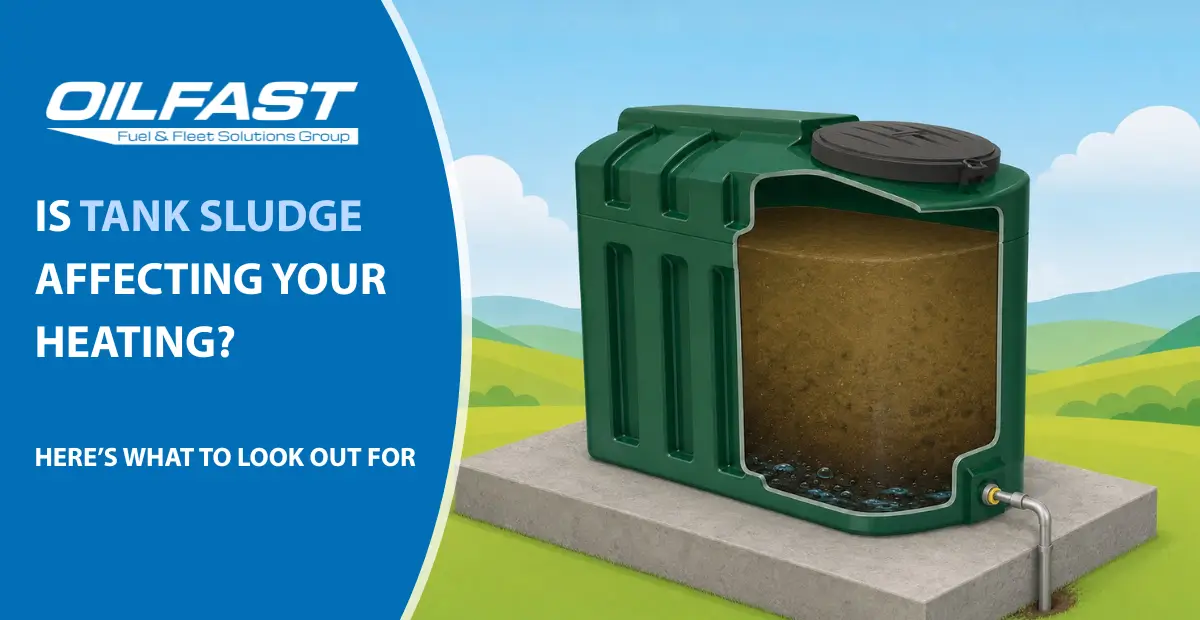
- Water inside the tank – Oil and water will remain separated, so you can often see when water is inside the tank. Water indicates that condensation can get into your tank via a breach.
- Breaches in plumbing connections – Check near joints and seams for breaches. Plumbing leaks can often be repaired without total system replacement.
- Physical damage – Damages or dents on the tank’s exterior can happen from weather, lawn maintenance or vehicle collisions
- Mechanical breakdowns – While oil tanks are relatively simple and require low maintenance, the thermostat, pump and other working parts are susceptible to wear and tear.
Routine inspections should help you avoid surprises and inform you when to replace your oil tank.
So, when is the best time to install a new tank?
Spring and Summer are the best time to install a new oil tank. You may need to turn off the heat for over six hours during the installation. This process is not ideal for cold temperatures since your house could be heat-free throughout the entire oil tank replacement.
If your heating oil tank must be replaced in winter, you will want to prepare other heating methods for your home in advance. We recommend you invest in an electric heater or run the heating system at a higher temperature for several hours before starting the oil tank replacement. These precautions can reduce the risk of frozen water pipes and make the experience more comfortable.
Can I remove my heating oil tank?
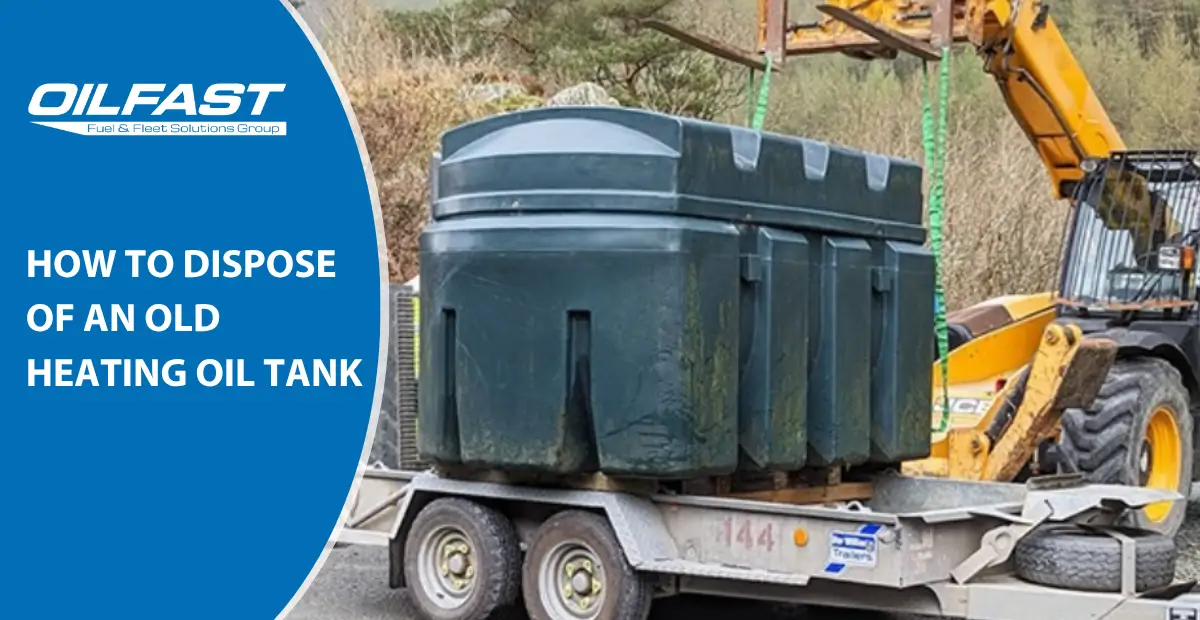
The answer to this question is no; you can’t, and please do not attempt to do so. The removal and disposal of an old oil storage tank must be carried out according to existing Building Regulations.
An OFTEC registered engineer will perform an assessment to decommission, remove and dispose of the old oil tank to identify any fire or environmental risks associated with the process.
Usually, an old oil storage tank is removed to make way for a new heating oil tank, and the same engineers will usually install the new tank as part of the contract. They will also be able to advise you which type of oil tank will be most suitable for your property, such as a plastic or metal tank, bunded (double skinned) or single-skinned, and where it should be following OFTEC’s regulations.
Can I Install my heating oil tank?
Yes, you can install your heating oil. However, we don’t recommend it as it should be done professionally. Self-installation can increase your risk of oil leaks and spills from complications.
Removing an old heating oil tank and installing a new tank must comply with building regulations, OFTEC’s guidelines and oil storage regulations. Once you have agreed on the cost, the engineers will:
- Pump out any oil remaining in the old tank to a safe holding tank
- The old tank will be disconnected from your boiler and other appliances and safely removed. Most of the time, old oil tanks will be recycled according to best practices and environmental codes.
- Your old oil tank feed pipeline will be pressure tested to ensure it can be reused. If it isn’t, the engineers will replace the pipeline.
- Once the oil tank has been removed, you will be able to see if the base is of sufficient standard to take the new tank. If not, you may also find that you must reinforce the old base.
- The new heating oil tank will be installed and connected to the oil feed pipeline
- Your remaining oil will then be pumped out of the holding tank and into your newly installed oil tank
- All the oil pipes, appliances and boiler will be bled, i.e., ensuring there are no air bubbles trapped, and then tested before opening the tank’s valve and allowing the oil to flow through
- The engineer will ignite the boiler and check that all your oil-fired appliances are working correctly
In Summary
Once you and the engineer are happy with the installation, you will receive an OFTEC CD10 completion report. The tank will be registered with OFTEC, sending you a Certificate of Conformity.
Our friendly sales team discusses your options and finds the best tank suited to your needs from the first conversation. Choose from a range of top-quality bunded heating oil tanks from our premium handpicked suppliers – Harlequin, Western Global & Titan. They will then help organise a time and date for your tank to be installed, followed by our dependable delivery drivers filling it up with heating oil.
For all your fuelling needs, contact your local depot for the best deals on HVO, Heating Oil, Red Diesel, Lubricants, LPG Gas Bottles, Tanks or Licensed AdBlue®.