
How Summer Weather Can Lead to Water in Your Heating Oil Tank
During the summer months, many homeowners pay less attention to their heating oil tank. With warmer weather and lower fuel usage, it’s easy to assume everything is running smoothly. However, changing temperatures during spring and summer can sometimes create an unexpected problem inside your tank: water.
Although water contamination in heating oil tanks is relatively uncommon, it can occur over time and may lead to issues with your heating system if left unchecked. Understanding how water gets into a tank, the warning signs to look out for and how to prevent it can help protect your heating system and avoid costly repairs.
How does water get into a heating oil tank?
One of the most common causes of water in a heating oil tank is condensation.
Condensation occurs when the temperature inside the tank is lower than the temperature outside. As the air inside the tank warms and cools, moisture can form on the internal walls and gradually collect at the bottom of the tank.
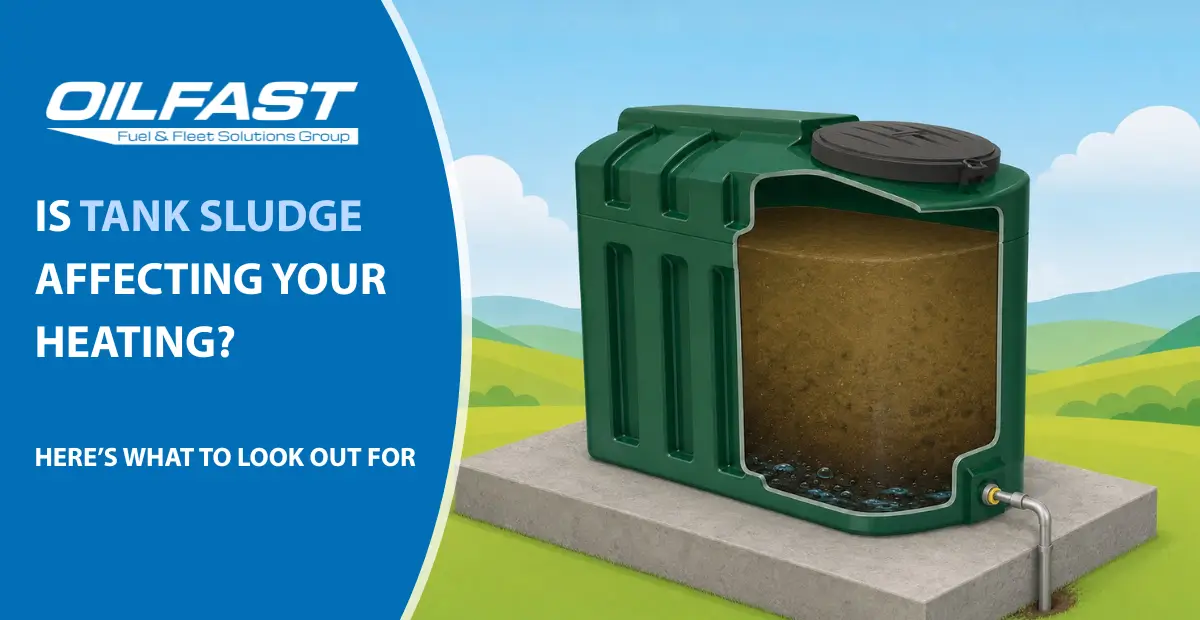
Because water is denser than heating oil, it sinks to the bottom and can remain unnoticed for long periods.
Water can also enter a tank through:
- Damaged or loose filler caps
- Cracked tank lids or vents
- Rainwater entering through damaged components
- Wear and tear on older tanks
Why is water in a heating oil tank a problem?
Even small amounts of water can cause issues over time.
Potential problems include:
Sludge build-up
Water can encourage the growth of bacteria and microbes inside the tank. This can create sludge that may block fuel lines and filters.
Boiler problems
If water enters your heating system, it can lead to poor boiler performance, lockouts or breakdowns.
Corrosion
In metal tanks, water can contribute to rust and corrosion, potentially weakening the tank’s structure.
Frozen fuel lines
During colder months, any water present in the system could freeze, restricting fuel flow to your boiler.
Signs there may be water in your heating oil tank
Because water settles beneath the oil, it is not always easy to spot. However, there are several warning signs to look out for:
- Frequent boiler lockouts or resets
- Unusual noises from your boiler
- Sludge in filters or fuel lines
- Reduced heating performance
- Unexpected heating system faults
- Visible damage or deterioration around the tank
If you suspect water contamination, it is important to investigate further before the problem worsens.
Read How to Find and Remove Water In Your Heating Oil Tank
How can you prevent water building up in your tank?
Regular maintenance is one of the best ways to reduce the risk of water contamination.
Here are a few practical steps homeowners can take:
Regularly inspect your tank
Check for cracks, bulges, oil stains or damaged fittings. Catching issues early can prevent water from entering the tank.
Read our 5 Heating Oil Tank Inspection Tips
Ensure lids and caps are secure
Loose filler caps or vents can allow rainwater and moisture inside.
Keep vegetation under control
Overhanging trees and heavy foliage can increase moisture around the tank and contribute to water ingress.
Keep your tank topped up
A fuller tank leaves less air space inside, reducing the opportunity for condensation to form.
Why bunded tanks are now the preferred choice
Modern bunded tanks are now the standard for most new and replacement heating oil installations in Scotland. Their double skinned design provides an additional layer of protection against leaks and environmental damage, helping homeowners meet current regulations and best practice.
If your existing tank is ageing or showing signs of wear, it may be worth considering whether a replacement tank would provide greater long term protection and peace of mind.
Find out if you need a bunded tank
What should you do if you suspect water in your tank?
If you believe there may be water in your heating oil tank, it is best to act quickly.
In many cases, a qualified heating engineer or tank specialist can inspect the tank, identify the source of the issue and recommend the appropriate solution. Attempting to remove large amounts of water yourself can be difficult and may risk further contamination.
Regular tank inspections by an OFTEC registered technician and maintenance can help identify potential issues before they become serious problems.
Protect your heating oil tank all year round
Your heating oil tank works hard throughout the year, even during the warmer months. Taking a few simple steps to inspect and maintain your tank can help reduce the risk of water contamination and keep your heating system operating efficiently when you need it most.
If you have concerns about your heating oil tank or would like advice on replacing an ageing tank, the Oilfast team is here to help. Give us a call on 03302 320 104