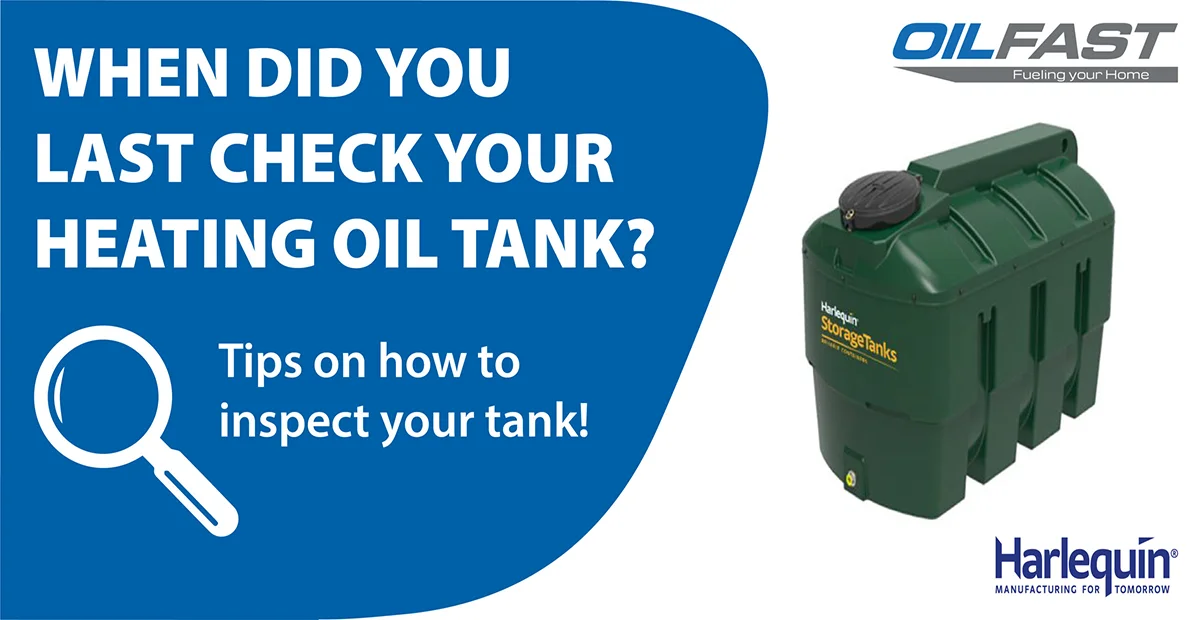
Tips on How to Inspect Your Tank
If your home relies on heating oil, your oil tank is one of the most important parts of your heating system. Yet it’s often overlooked until something goes wrong.
Regular inspections can help you spot small issues before they become costly repairs. In fact, heating oil tanks should be checked annually by an OFTEC-qualified heating engineer to ensure they remain safe and in good working condition.
However, there are also simple checks homeowners can carry out themselves between professional inspections.
Below are five key things to look for when inspecting your heating oil tank.
1. Check for Cracks, Bulging, or Physical Damage
Start by visually inspecting the outside of your tank.
Look for warning signs such as:
- Cracks or splits
- Bulging or stretching of the tank walls
- Discolouration
- Rust on metal tanks
- Oil “weeping” or damp patches
Even small signs of deterioration can indicate structural weakness. If a tank cracks, it can lead to fuel leaks, environmental damage, and expensive clean-up costs.
If you notice any of these signs, contact an OFTEC-qualified engineer as soon as possible.
2. Inspect the Outer Bund for Debris
If you have a bunded tank (a tank with an outer protective layer), check that the bund is clean and empty.
The outer bund acts as a secondary containment barrier designed to capture fuel if the inner tank fails.
Make sure there is no:
- Rainwater
- Leaves or garden debris
- Rubbish
- Oil residue
Keeping the bund dry and clear ensures it can perform properly if a leak occurs.
3. Check That Access Points Are Secure
Heating oil tanks include several access points, including:
- Fill caps
- Gauges
- Vents
- Inspection lids
These should always be secure, sealed, and properly fitted.
Loose caps or vents can allow rainwater, dirt, or insects to enter the tank, which may contaminate the fuel and damage your heating system.
After every oil delivery, it’s also a good idea to double-check that caps have been replaced correctly.
4. Look for Oil Stains Around the Tank
Check the ground and surrounding area around your tank.
Signs of a leak may include:
- Oil stains or slicks
- Damp patches
- Discoloured grass or soil
Oil leaks can seep into the ground and contaminate groundwater, making them extremely expensive to remediate.
Catching a leak early can save significant repair costs and reduce environmental risk.
5. Inspect the Pipework and Connections
Finally, examine the pipework connected to your tank.
Pay special attention to:
- Pipe joints and connections
- Filters
- Valves
- Fuel lines
Look for:
- Corrosion
- Cracks
- Perished hoses
- Small drips or “weeping”
Pipework failures are a common cause of oil spills, but they’re often easy to detect if inspected regularly.
How Often Should You Check Your Heating Oil Tank?
As a rule of thumb:
- Professional inspection: once a year
- Visual homeowner checks: every few months
- Extra checks: after severe weather or a fuel delivery
Routine checks help identify problems early and prevent sudden heating failures during colder months.
How Long Do Heating Oil Tanks Last?
Most domestic heating oil tanks are built to last 10–20 years depending on maintenance and environmental conditions.
Regular inspections and preventative maintenance can extend the life of your tank by several years and help avoid unexpected replacements.
When Should You Replace Your Oil Tank?
You should consider replacing your heating oil tank if you notice:
- Persistent leaks
- Large cracks or bulging
- Severe corrosion
- Tank age approaching 20 years
- Structural damage after extreme weather
A qualified heating engineer can assess your tank and recommend the safest solution.
Final Thoughts
Your heating oil tank plays a vital role in keeping your home warm and comfortable throughout the year. Taking a few minutes every couple of months to inspect it can prevent expensive problems and help keep your heating system running efficiently.
If you’re unsure about the condition of your tank, it’s always best to seek advice from a qualified professional.
Regular maintenance today could save you significant repair costs tomorrow.