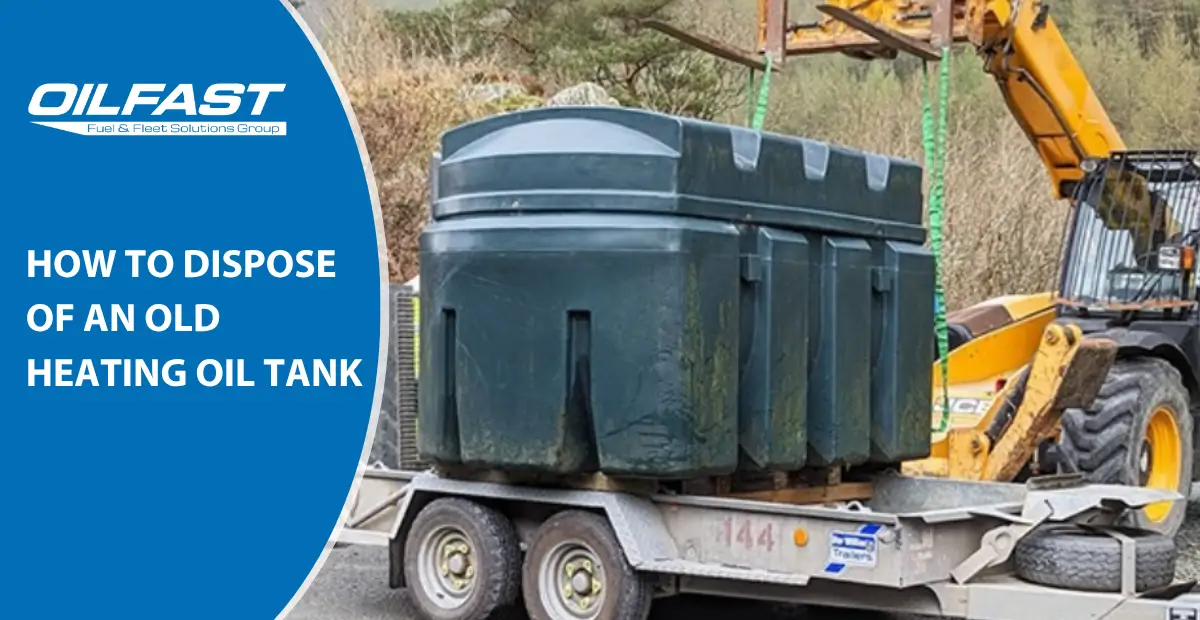
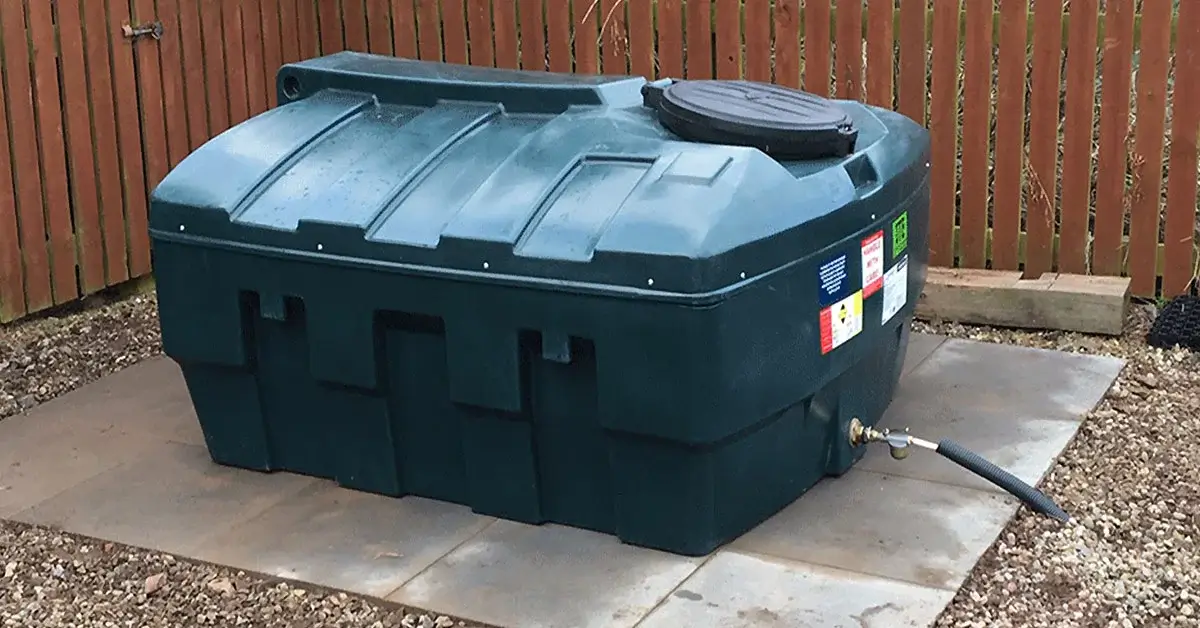
If your home uses heating oil, your oil tank is one of the most important parts of your heating system. While oil tanks are designed to last many years, they won’t last forever. Knowing when it’s time to replace your heating oil tank can help you avoid leaks, costly repairs, and potential environmental damage.
In this guide, we’ll explain how long heating oil tanks usually last, the warning signs to look for, and how to keep your tank in good condition for as long as possible.
How Long Does a Heating Oil Tank Last?
Most domestic heating oil tanks are built to be durable and long-lasting. With proper maintenance and regular inspections, many tanks will last between 10 and 20 years.
If your tank is under 10 years old and shows no signs of damage, it is usually safe to continue using it. However, once a tank approaches or exceeds the 10-year mark, it’s wise to begin monitoring it more closely and start planning for a future replacement.
Regular inspections can help ensure your tank remains safe and functional throughout its lifespan.
Signs Your Heating Oil Tank May Need Replacing
Over time, exposure to weather, temperature changes, and normal wear can weaken your tank. Inspecting your tank regularly will help you catch early warning signs before they develop into serious problems.
Look out for the following signs of deterioration:
-
Hairline cracks in the tank surface
-
Bulging or warping in the tank walls
-
Stretch marks or stress lines
-
Discolouration of the plastic or metal
-
Rust or corrosion (particularly on steel tanks)
-
Weeping or damp patches where oil may be seeping out
These signs suggest that the tank structure may be weakening and could eventually crack or leak. If you notice any of these issues, it’s best to contact a qualified heating engineer for advice as soon as possible.
Other Reasons You Might Need a New Tank
In some cases, replacing your tank may be necessary even if there are no visible cracks. Common issues that can lead to replacement include:
Oil Leaks
If you detect oil outside the tank or smell fuel around it, this may indicate a breach. Leaking oil can contaminate soil and groundwater and must be addressed quickly.
Water Contamination
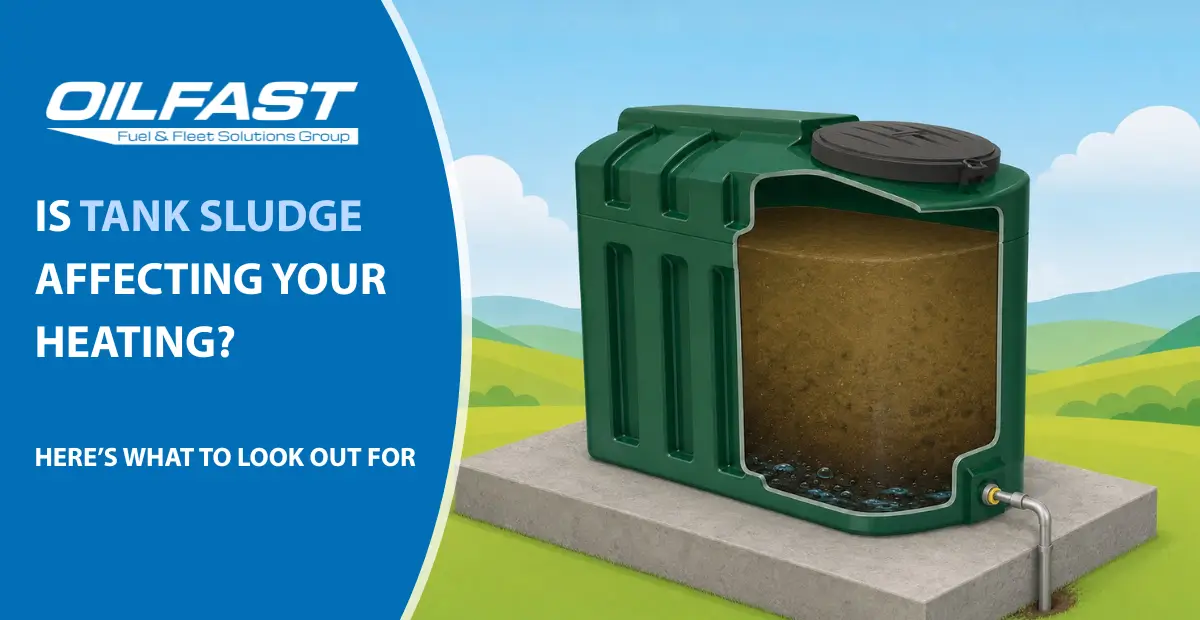
Water inside a heating oil tank can cause corrosion, fuel contamination, and sludge build-up that damages your heating system.
Physical Damage
External impacts from vehicles, falling debris, or severe weather can weaken the tank structure.
Faulty Pipework or Connections
Leaks at joints or connections can sometimes be repaired, but in some cases replacing the tank may be the safest long-term solution.
How to Extend the Life of Your Heating Oil Tank
The good news is that with proper care, you may be able to extend the lifespan of your tank by 5–10 years.
Here are a few simple maintenance tips:
-
Arrange annual inspections by an OFTEC-qualified heating engineer.
-
Regularly check the tank for cracks, leaks, or damage.
-
Ensure caps, vents, and gauges are secure to prevent contamination.
-
Keep the area around the tank clear of debris.
-
Inspect pipework and connections for signs of corrosion or leaks.
Routine maintenance can help identify problems early and prevent expensive repairs or emergency replacements.
How Much Does It Cost to Replace a Heating Oil Tank?
Replacing a heating oil tank is a significant investment, but it is essential for maintaining a safe and efficient heating system.
In the UK, domestic heating oil tanks typically start from around £1,000, depending on the tank size, type, and installation requirements.
Professional installation is always recommended to ensure your new tank meets building regulations and environmental standards.
When Is the Best Time to Replace Your Tank?
If possible, plan your tank replacement during spring or summer. This allows engineers to carry out the installation without leaving your home without heating during cold weather.
Replacing a tank during winter is possible, but you may need temporary heating while the work is completed.
Final Thoughts
A heating oil tank is designed to last many years, but it won’t last forever. By regularly inspecting your tank and watching for signs of damage, you can identify when a replacement is needed before serious problems occur.
If your tank is approaching 10–20 years old or showing signs of deterioration, it’s a good idea to consult a qualified heating engineer and start planning for a replacement. Taking action early can help protect your home, your heating system, and the environment.