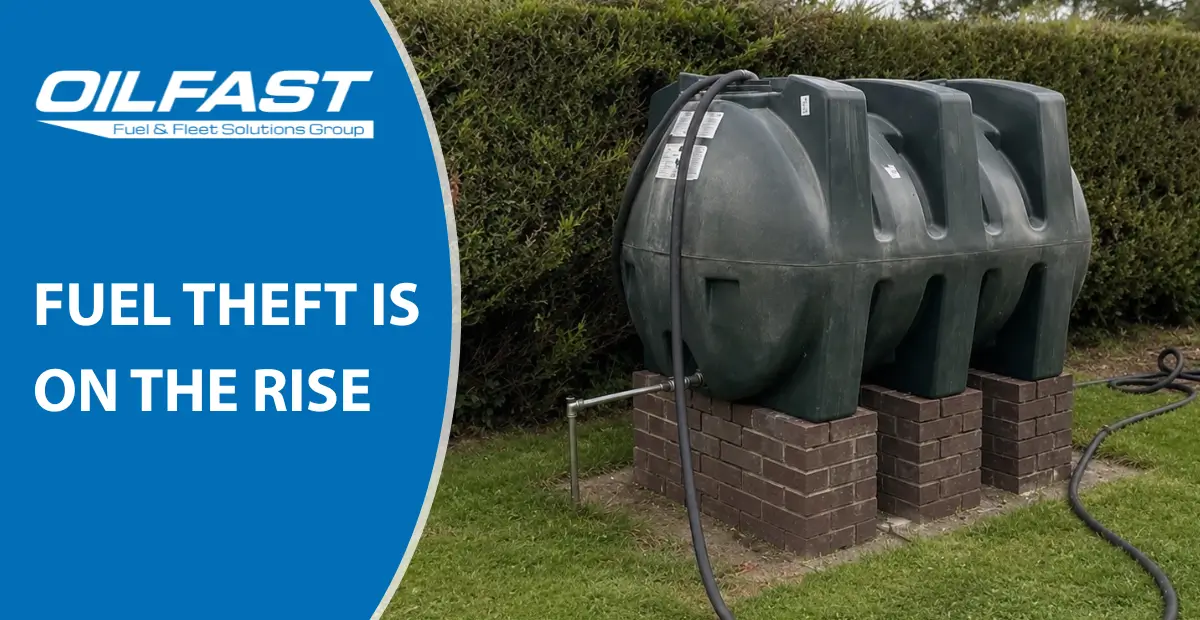
Police Scotland fuel theft warning for rural communities
Police Scotland is currently seeing an increase in reports of fuel theft across rural communities in Argyll & Bute and West Dunbartonshire, with incidents affecting domestic customers, farms, commercial premises and rural businesses.
Heating oil tanks, fuel storage tanks, bowsers and plant machinery are all being targeted, often resulting in financial losses, disruption and additional repair costs.
Fuel theft does not just mean losing fuel. In some cases, tanks and pipework can be damaged during theft attempts, leading to leaks, environmental issues and expensive clean-up work.
Who is being affected?
Recent reports suggest offenders are targeting a range of properties and industries, including:
• Homes with heating oil tanks
• Farms and agricultural sites
• Commercial premises
• Construction and plant equipment
• Mobile fuel bowsers and storage tanks
Static tanks and mobile bowsers can be particularly vulnerable if they are positioned in isolated areas or locations with limited visibility.
How fuel theft happens
Fuel theft is not always carried out using basic methods.
Common techniques can include:
• Syphoning fuel into containers
• Using transfer pumps to remove larger volumes
• Stealing entire fuel bowsers from sites
• Damaging pipes or tank fittings to gain access
Beyond the cost of replacing fuel, damaged tanks and leaking fuel can create wider problems and operational disruption.
7 ways to help protect your fuel supply
1. Install secure locking systems
Fit robust locking systems to tanks, bowsers and fuel access points to make theft more difficult.
2. Use anti-syphon devices
Anti-syphon systems can prevent thieves from inserting pipes into tanks and removing fuel.
3. Improve lighting and CCTV
Well-positioned security lighting and CCTV can act as a deterrent and help identify suspicious activity. Lighting should support camera visibility rather than creating shadows or glare.
4. Position tanks carefully
Where possible, place tanks where they are visible from occupied buildings or regularly used areas rather than hidden locations.
5. Monitor fuel levels regularly
Unexpected drops in fuel levels can sometimes be the first sign that theft has taken place.
6. Restrict access
Keep gates closed and locked and reduce unnecessary access points around fuel storage areas.
7. Use alarms and remote monitoring
Fuel monitoring systems and alarms can provide alerts if levels suddenly fall or suspicious activity is detected.
What should you do if you notice suspicious activity?
Police Scotland is encouraging customers and businesses to report suspicious activity promptly. This can include:
• Unknown vehicles around fuel storage areas
• Unusual activity around tanks or machinery
• Drone activity that appears unexplained
• Signs of tampering or damage
Staying one step ahead
While rural properties and sites can naturally present more challenges when it comes to security, taking a few preventative steps can make fuel theft more difficult and reduce risk.
Whether you use heating oil at home or manage fuel supplies for a farm or business, protecting your fuel storage can help avoid unnecessary cost and disruption.
Have questions?
If you have questions about fuel storage, tank monitoring or managing your fuel supplies, our team is always happy to help. Give us a call on 03302 320 104